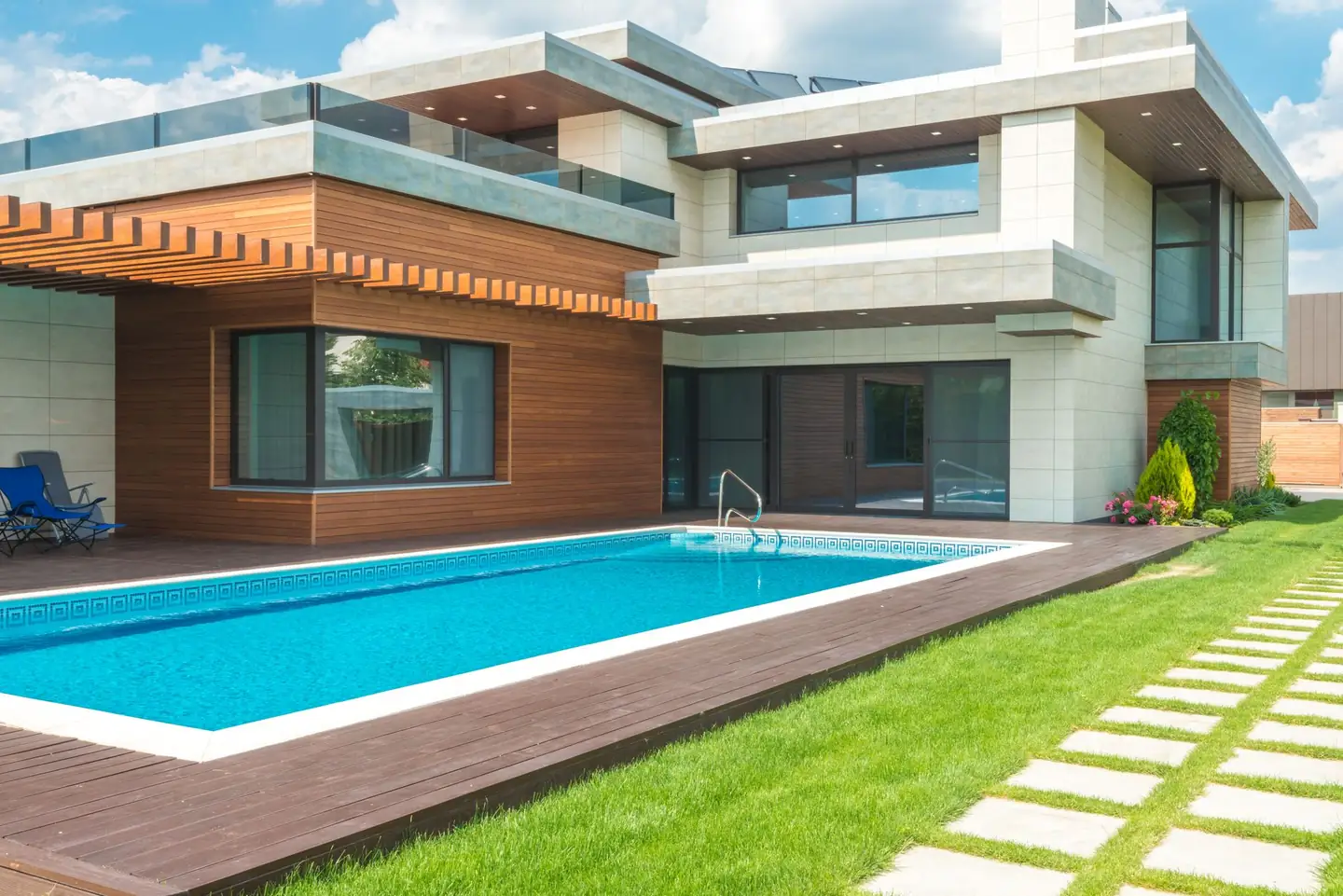
Our Pool Building Services in Wallacetown
-
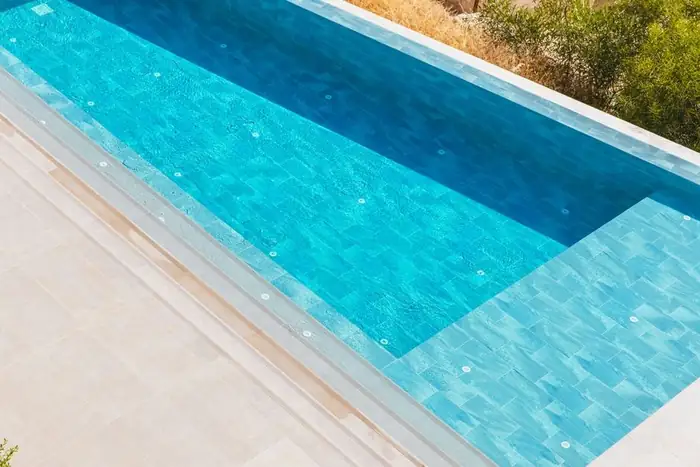
Concrete Pool Construction in Wallacetown
Fully custom concrete pools formed and sprayed on site to suit any Wallacetown block, in any shape, size or depth.
-
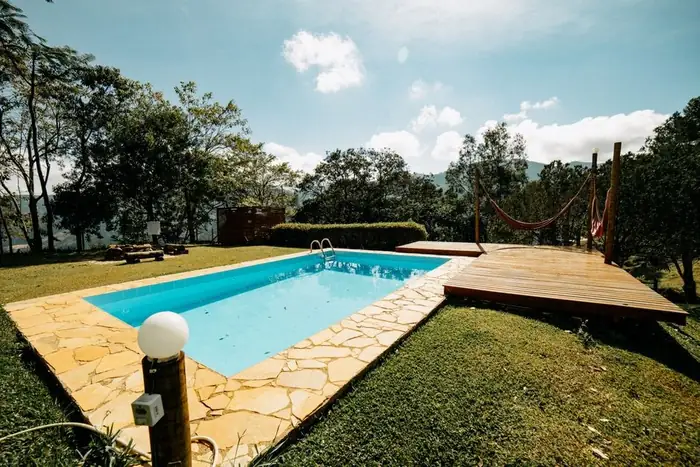
Fibreglass Pool Installation in Wallacetown
Cost-effective fibreglass pools in a wide range of modern shapes and colours, well suited to most Wallacetown backyards.
-
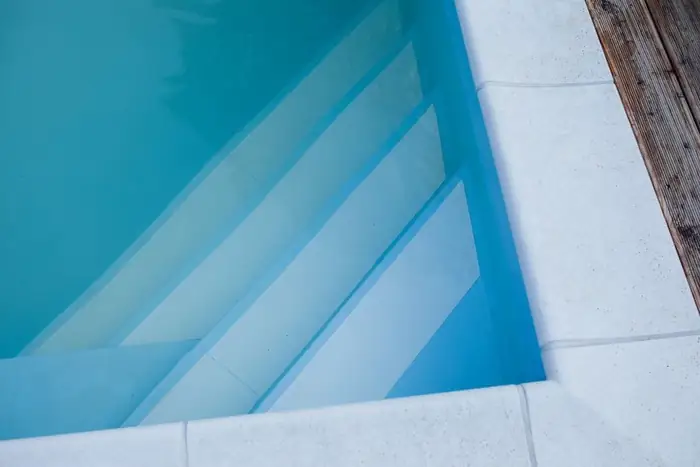
Plunge Pool Construction in Wallacetown
Space-smart plunge pools for Wallacetown, often fitted with swim jets, heating and built-in seating for year-round use.
-
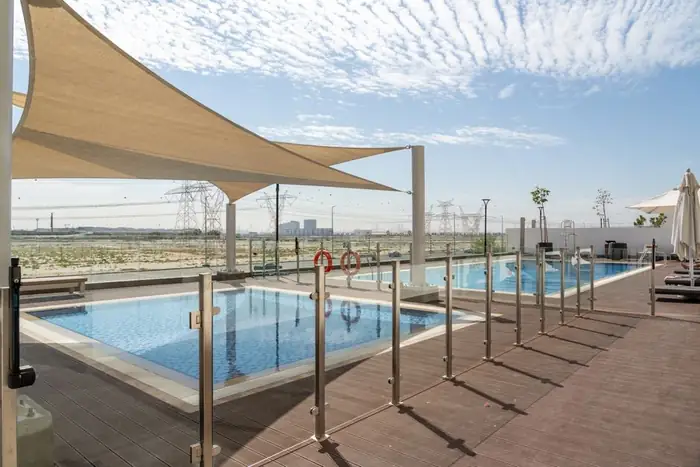
Pool Fencing & Safety Barriers in Wallacetown
Glass and aluminium pool fences engineered for Riverina conditions and certified for the NSW Swimming Pools Register.
-
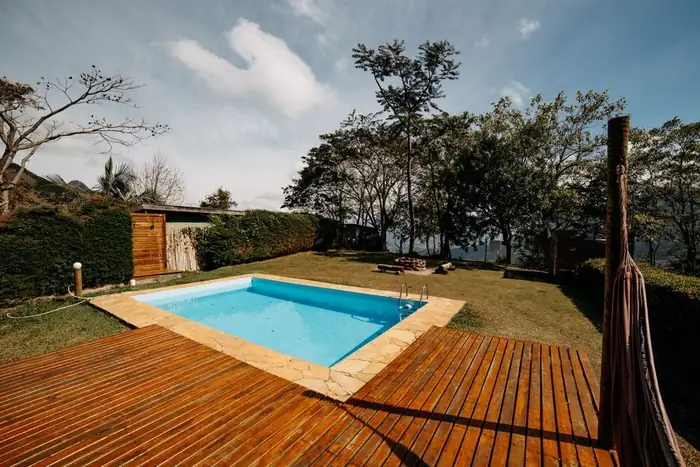
Pool Decking & Paving in Wallacetown
Durable decking and paving framing your Wallacetown pool, chosen to handle splash-out, heat and the Riverina climate.
-
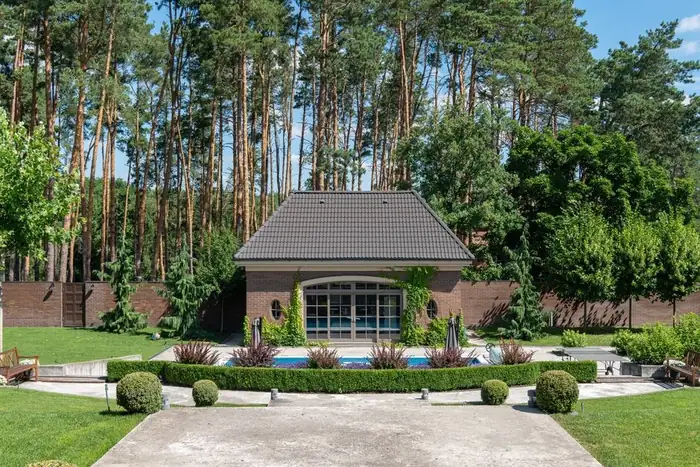
Pool Landscaping & Surrounds in Wallacetown
Poolside landscaping for Wallacetown homes: paving, planting, retaining, screening and lighting tied into one cohesive outdoor space.
Building a Swimming Pool in Wallacetown
A pool changes how a household uses its outdoor space through a Riverina summer, and the building of one runs through a clear sequence of stages. A Wallacetown builder assesses the site first, looking at access, fall and the position of services and trees, then settles on a design and a pool type that genuinely fit the block rather than forcing a standard shape onto an awkward yard. From there the project moves through approval, excavation, the pool shell, the plumbing and filtration, the compliant barrier and the finishing trades. Concrete pools are formed and sprayed on site and can be shaped to almost any brief; fibreglass shells are craned in and install considerably faster. Either path is workable in Wallacetown given the right preparation. Local knowledge matters at every step, because what is achievable on a flat double block differs from what suits a sloping or narrow site, and the approval route varies with the property and the relevant Wagga Wagga controls. Managing the trades in the right order keeps a build moving and avoids the delays that come from poor sequencing. The aim throughout is a pool that suits your family, your yard and the way you actually intend to use it.
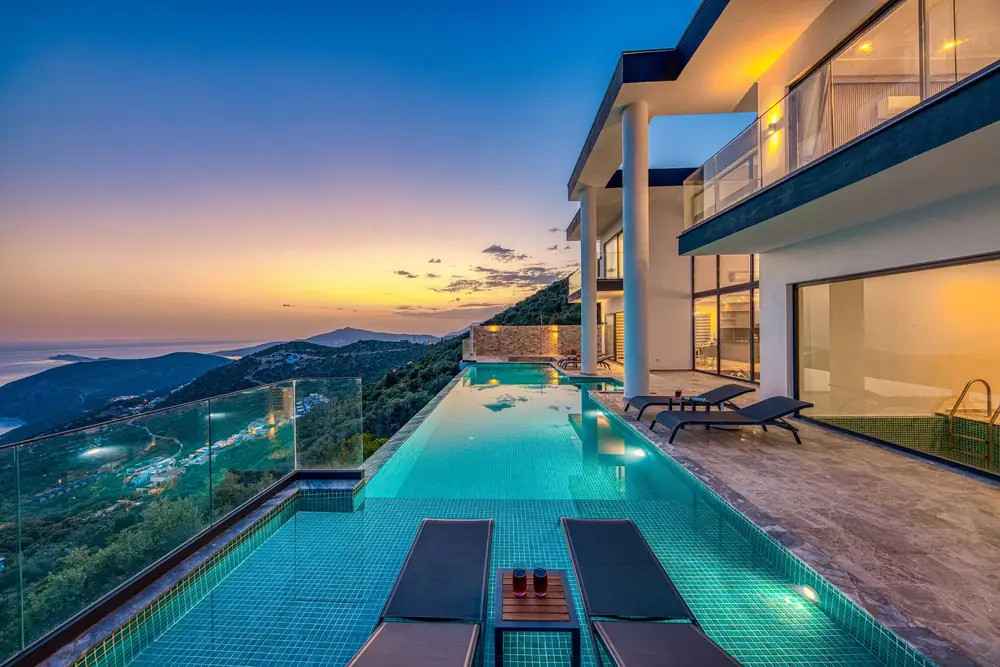
Types of Pools Built Across Wagga Wagga
The pool services available to Wallacetown homes span the full lifecycle of a pool, not just the original construction. New builds start with the choice between concrete, which is sprayed on site and can take any shape, depth or feature, and fibreglass, which is craned in as a finished shell and swims sooner. Within that, plunge pools suit compact Wagga Wagga courtyards and lap pools suit homeowners who want to swim daily along a slender footprint. Once a pool is in the ground, it still needs care: resurfacing restores a rough or stained interior, renovation modernises an older pool's shape, tiling and equipment, and repairs address leaks, cracks and failing pumps or filters. Fencing sits alongside all of this as a legal requirement in New South Wales, where every pool must be enclosed by a barrier meeting the AS 1926.1 standard before it goes into use. Heating systems, from solar through to heat pumps, make a Riverina pool usable across cooler months, and landscaping and paving complete the surrounds. Saltwater and mineral systems offer gentler water for those who prefer it. With this breadth, a Wallacetown household can commission anything from a full resort-style build to a single targeted upgrade.
- Concrete Pool Construction in Wallacetown
- Fibreglass Pool Installation in Wallacetown
- Plunge Pool Construction in Wallacetown
- Lap Pool Construction in Wallacetown
- Infinity & Wet-Edge Pools in Wallacetown
- Small & Courtyard Pools in Wallacetown
- Pool Renovation & Remodelling in Wallacetown
- Pool Resurfacing & Interiors in Wallacetown
- Pool Fencing & Safety Barriers in Wallacetown
- Pool Landscaping & Surrounds in Wallacetown
- Pool Decking & Paving in Wallacetown
- Pool Heating & Solar in Wallacetown
- Saltwater Pool Systems in Wallacetown
- Mineral Pool Systems in Wallacetown
- Spa & Spa-Pool Installation in Wallacetown
- Pool Repairs & Leak Detection in Wallacetown
Choosing a Pool Type for a Wallacetown Home
Working out which pool suits a Wallacetown property starts with the block itself. A flat, generous yard opens every option, whereas a sloping or narrow site narrows the field and rewards careful matching. Concrete pools are the most adaptable, since they are formed on site and can follow the contours of a difficult Wagga Wagga block, hold a custom shape or carry a feature edge; they sit at the upper end on cost, roughly $55,000 to $120,000 and above, and take the longest to finish. Fibreglass pools trade that flexibility for speed and value, with a craned-in shell that is swimming sooner, costs around $35,000 to $75,000 installed and needs less ongoing attention thanks to its smooth surface. Beyond the two main structures, a plunge pool packs a deep, refreshing pool into a courtyard, a lap pool makes a fitness lane out of a side yard, and an infinity pool turns a raised outlook into the centrepiece of the design. A small courtyard pool is often the answer where space is genuinely tight. Each type answers a different combination of block size, budget and use, so a Wallacetown household is best served by matching the structure to its own site and intentions rather than to a fixed idea.
Which Pool Suits Your Wallacetown Property
Most Wallacetown pool decisions start with concrete versus fibreglass, then widen to a couple of specialist options for tighter blocks. Concrete is the pick when design freedom and longevity matter most, because it is built on site and can take any shape, depth or feature and can be engineered to fit a sloping or irregular Wagga Wagga block. It is, however, the dearer and slower route. Fibreglass answers a different brief, with a factory-moulded shell craned into place for a fast install, a hard-wearing low-maintenance surface and lower ongoing costs, accepting that the range of shapes and sizes is fixed. Where space is limited, a plunge pool concentrates a deep, refreshing pool into a small Wallacetown courtyard and can be fitted with jets and heating for year-round use, and a lap pool transforms a long, narrow Riverina block into a private lane for exercise. Choosing well is a matter of matching the pool to three things: the size and shape of the block, the budget, and the main reason for the pool, whether that is cooling off, entertaining, swimming laps or making a feature of the backyard. Line those up against each type's strengths and the best fit for the Wallacetown home is straightforward to see.
From Design to Water: Building in Wallacetown
The order of work on a Wallacetown pool rarely changes, and each stage sets up the next. Design and a fixed price come first, settling the pool's size, position and inclusions against the realities of the site. Approval follows, taking one of two NSW routes depending on the block: a CDC signed off by a private certifier, or a DA assessed by Wagga Wagga council. Set-out then transfers the design onto the ground and excavation begins, the depth and difficulty governed by the soil and any rock under the surface across Riverina. Reinforcing steel and the underground plumbing are installed, after which the shell is built. A concrete shell is sprayed against the steel and formed in place, giving full control of shape; a fibreglass shell arrives complete and is craned in, which is why it lands so quickly. Once the shell is set, attention turns to the surrounds: paving and coping, an AS 1926.1 safety barrier, the interior finish and filling. Filtration, the chlorinator or mineral system and any heating are then commissioned. The whole process in Wagga Wagga typically runs a number of weeks for fibreglass and a few months for a custom concrete pool, with weather the most common variable.
Understanding Pool Building Costs in Wallacetown
Pool pricing in Wallacetown is best understood as a base shell cost plus everything around it, and the two pool types start from quite different points. Fibreglass is the more economical route, with installed prices across Wagga Wagga typically landing in the $35,000 to $75,000 range, while concrete runs higher at roughly $55,000 to $120,000 and beyond for larger or more complex builds. What moves the figure within those bands is mostly the site. A flat block with wide side access keeps machinery and craneage simple, whereas a tight or sloping Riverina site can need retaining, specialised access or a larger crane, all of which add cost. Rock encountered during excavation is a common variable that lifts the dig price. Beyond the shell, the surrounds carry real weight: paving and coping, the safety barrier, decking, electrical, water features and landscaping each add to the total. A properly itemised, fixed-price scope is the tool that makes this clear, breaking the Wallacetown project into line items so the figure that is approved is the figure that is paid, with provisional allowances flagged where a cost cannot yet be pinned down. Reading two scopes side by side is far more useful than comparing two bottom-line numbers, because it shows where one Wagga Wagga builder has included work that another has quietly left out.
How NSW Pool Regulations Work
Building a pool in Wallacetown means working within New South Wales regulations, and they break down into a few clear obligations. First is approval. Many pools qualify as Complying Development and are approved through a Complying Development Certificate issued by a private certifier, which is quicker than a council assessment. Pools that do not meet the complying development standards, or sit on constrained blocks, go through a Development Application with Wagga Wagga council instead. Second is the safety barrier. Under AS 1926.1 the fence must be at least 1200 millimetres high, the gate must close and latch by itself, and the area around the barrier must be a non-climbable zone free of footholds. Third is registration. Before the pool is filled and used it must be recorded on the NSW Swimming Pools Register, and a certificate of compliance verifies the barrier meets the standard. During the build, the work is governed by SafeWork NSW requirements that keep the site safe. Taken together these steps form the compliance backbone of any Riverina pool, and when approval, the barrier and registration are completed in sequence, a Wallacetown pool is legal and safe to swim in from the outset.
Pool Building Experience Across Wagga Wagga
Aussie Pool Builder is a team of local pool builders working across Wallacetown, the wider Wagga Wagga and the surrounding Riverina. The crews are licensed and insured for residential pool construction in New South Wales, and the trades brought onto each job, from excavators and steel fixers to tilers and certifiers, are people who know the area and its conditions. That local grounding is more than a talking point. Site access varies street to street in Wallacetown, soil and rock differ from one block to the next, and the Wagga Wagga council has its own way of handling approvals, all of which shape how a build is planned and priced. A builder who has worked these streets before reads a site quickly and anticipates the issues that catch outsiders out, such as a narrow side passage that rules out larger machinery or established trees that constrain where a pool can sit. The same familiarity helps with the regulatory side, since whether a job runs as a Complying Development Certificate through a private certifier or a Development Application through council depends on the property and the controls that apply to it. Working locally also means staying close to a job and standing behind the result long after the water goes in.
What to Check Before Hiring in Wallacetown
When a Wallacetown homeowner is weighing up pool builders, a short checklist separates the dependable from the doubtful. Confirm the licence first: residential building work in New South Wales must be performed under a current builder licence, and that can be checked on the NSW Fair Trading public register in a couple of minutes. Confirm public liability insurance second, as this is the cover that protects the property and the homeowner while work is underway. Insist on a written, fixed-price scope third, with the pool shell, filtration, fencing, paving and any provisional sums each set out, so the quote that is agreed is the price that stands. Ask for recent references from Wagga Wagga and look for evidence of completed pools nearby, since a builder active in the area should be able to show its work. The red flags are equally important to know. Pressure to pay a large cash deposit, vague or shifting inclusions, and an inability to point to recent Riverina projects all warrant caution. A trustworthy builder is also open about how a job will be approved, whether through a Complying Development Certificate or a Development Application, and about meeting the AS 1926.1 barrier rules and the NSW Swimming Pools Register before a pool is used.
Local Building Knowledge for Wallacetown Pools
A pool build in Wallacetown has to answer the particular conditions of Wagga Wagga, and the more familiar a builder is with the area the fewer surprises arise. Block sizes and shapes vary across the district, and access is often the deciding factor, since the route from the street to the pool area sets which machinery can be used and how the excavation proceeds; many established Wagga Wagga properties have narrow side access that needs compact plant or a crane. The ground is the next consideration, with Riverina soils running from sand through clay to sandstone, and rock or reactive clay both affecting how the pool is excavated and engineered. Slope and established trees add further constraints, as a fall across the block may require retaining and a mature tree needs protecting from the dig. The council requirements then set the approval route, which for most pools is either a Complying Development Certificate through a private certifier or a Development Application through the Wagga Wagga council, with the path depending on the site and the proposal. The Riverina climate and exposure also feed into decisions on placement and finishes. Taking account of all of this early is what allows a Wallacetown pool to be built smoothly and to suit the block it sits on.
Riverina Climate and Site Notes
The Riverina is hot, dry inland country running through Wagga Wagga, Griffith and the irrigation districts, with long summers regularly pushing into the high thirties and low forties. That heat gives the region one of the longer practical swimming seasons in inland New South Wales, often October to April, and a pool is genuinely used here rather than admired. Soils are largely heavy riverine clay and silt over the Murrumbidgee floodplain, which holds water, shrinks and swells with the seasons, and demands properly engineered footings and backfill. Some river-flat blocks near Wallacetown sit in mapped flood zones, so finished pool and equipment levels need checking against council flood data. Open, exposed yards mean evaporation and wind are real considerations, and a fence line or planting that breaks the hot northerly keeps the water more comfortable across Wagga Wagga.
Common Pool Questions in Wallacetown
- How much does a new swimming pool cost in Wallacetown?
- Cost depends on type, size, site access and finishes. As a guide in Wallacetown, an installed fibreglass pool typically runs $35,000 to $75,000, while a custom concrete pool generally sits between $55,000 and $120,000 or more for larger designs. Rock excavation, retaining walls, premium tiling and landscaping all move the final figure on a Wagga Wagga block.
- Concrete or fibreglass: which suits Wallacetown better?
- Both perform well; the decision usually rests on your Wallacetown block and goals. Concrete is the pick for a fully custom shape, feature edges or a difficult Riverina site, while fibreglass wins on speed, value and low upkeep. Concrete is formed and sprayed on site; fibreglass arrives as a moulded shell and installs in a fraction of the time.
- How long does it take to build a pool in Wallacetown?
- A fibreglass pool can be installed in roughly one to two weeks once approvals are in place, because the shell is manufactured off site and craned in. A custom concrete pool usually takes several weeks to a few months, since it is formed, sprayed, cured and finished on site. Access and Riverina weather both affect the schedule on a Wallacetown job.
- Is council approval required to build a pool in Wallacetown?
- Almost every pool in New South Wales needs approval before construction, either a fast-tracked Complying Development Certificate through a registered certifier or a Development Application through Wagga Wagga. The right route hinges on your Wallacetown property and the relevant planning controls, and the paperwork is a standard part of the build process.
- How long does pool approval take in Wallacetown?
- It depends on the pathway. A Complying Development Certificate through a private certifier is the faster option and is often determined within a few weeks where the design clearly meets the standards. A Development Application through Wagga Wagga council generally takes longer, commonly a couple of months, as it allows for assessment and any required notification in Wallacetown.
- What fencing does a pool need in Wallacetown?
- All pools in Wallacetown require a safety barrier built to AS 1926.1, covering fence height, a self-closing and self-latching gate and non-climbable zones. Options include frameless glass, semi-frameless glass and tubular aluminium. The barrier is inspected for compliance and the pool is recorded on the NSW Swimming Pools Register as part of finishing the job in Wagga Wagga.
- What ongoing maintenance and running costs should I expect?
- Running costs in Wallacetown cover electricity for the pump, chemicals, and occasional water top-ups, plus more if the pool is heated. Most owners spend a moderate amount each week. An energy-efficient pump, a saltwater or mineral system and a pool cover all bring those costs down, and fibreglass interiors generally need fewer chemicals than other finishes.
- Is a pool possible on a tight or sloping site in Wallacetown?
- Small and sloping blocks are common across Wallacetown and Wagga Wagga, and pools are built on them regularly. A plunge pool suits a compact yard, while a sloping site may require retaining walls or an elevated, partly raised pool. Engineering for slope, side access and rock is a normal part of building on a difficult Riverina block.
- Pool heating: can I extend the swim season in Wallacetown?
- Yes. Solar, heat-pump and gas heating each extend the swimming season for Wallacetown pools. Solar is the most economical to run in sunny Riverina suburbs, heat pumps deliver reliable warmth on demand, and gas heats quickly for occasional use. Pairing any system with a pool cover holds the heat in and cuts running costs noticeably.
- What is the difference between salt, mineral and chlorine pools in Wallacetown?
- All three keep a Wallacetown pool clean; they differ in feel, cost and handling. Saltwater chlorination is popular for soft water and minimal chemical handling, mineral systems add magnesium for a silkier swim favoured by health-conscious owners, and manual chlorine remains the cheapest to set up. Salt and mineral systems can be fitted to new Wagga Wagga builds or retrofitted to an existing pool.
- What does a standard pool build cover in Wallacetown?
- A typical pool build in Wallacetown brings together excavation, the shell, filtration and plumbing, fencing, paving and the interior, with landscaping often added. Access is the key practical factor: excavators and a concrete pump or a delivery crane need a usable path to the site. Where access is tight, the build is planned around it, and the inclusions are confirmed in writing for the Wagga Wagga job.
- Do you offer a warranty on your pools?
- Yes. Pools built in Wallacetown carry a structural warranty, and fibreglass shells include the manufacturer's warranty on the shell itself. The work is carried out by builders fully licensed and insured for residential construction in New South Wales, and the cover that applies to your build is set out clearly in the contract before work begins.
Pool Builders Near Wallacetown
Ashmont Pool Builders
Belfrayden Pool Builders
Big Springs Pool Builders
Bomen Pool Builders
Book Book Pool Builders
Borambola Pool Builders
Bourkelands Pool Builders
Brucedale Pool Builders
Bulgary Pool Builders
Burrandana Pool Builders
Carabost Pool Builders
Cartwrights Hill Pool Builders
Collingullie Pool Builders
Cookardinia Pool Builders
Coursing Park Pool Builders
Currawananna Pool Builders
Currawarna Pool Builders
Downside Pool Builders
East Wagga Wagga Pool Builders
Estella Pool Builders
Euberta Pool Builders
Eunonoreenya Pool Builders
Gelston Park Pool Builders
Glenfield Park Pool Builders
Gobbagombalin Pool Builders
Gregadoo Pool Builders
Harefield Pool Builders
Kooringal Pool Builders
Kyeamba Pool Builders
Lake Albert Pool Builders
Lloyd Pool Builders
Maxwell Pool Builders
Moorong Pool Builders